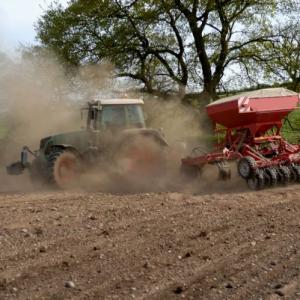


Seed Spraying: Wausau
Seed Spraying in Wausau
Get help with Seed Spraying in Wausau. Fill out the form above and we will connect you with local Wausau pros. Seed spraying offers numerous advantages for those looking to enhance the growth and vitality of their plants. This technique involves evenly distributing seeds across a designated area, ensuring optimal coverage and germination. By utilizing seed spraying, individuals can save time and effort compared to traditional manual seeding methods. It promotes uniform growth and minimizes the risk of patchy or sparse areas in the landscape. Seed spraying also allows for better control over the distribution of seeds, resulting in a more efficient use of resources. With this method, one can achieve a lush and vibrant garden or lawn, creating a visually appealing and healthy environment.Seed Spraying FAQ
Q: How Long Does It Take For Seeds To Sprout After They Have Been Sprayed?
Answer: The time it takes for seeds to sprout after being sprayed can vary depending on the type of seed, the specific spray used, and environmental conditions. However, on average, seeds typically start sprouting within 7 to 14 days after being sprayed.Q: What Are The Ideal Weather Conditions For Seed Spraying To Be Effective?
Answer: The ideal weather conditions for seed spraying to be effective are typically warm temperatures (around 60-75°F), low wind speed (less than 10 mph), and no rain in the forecast for at least 24-48 hours.Q: Are There Any Specific Types Of Seeds That Are More Suitable For Seed Spraying?
Answer: Yes, there are specific types of seeds that are more suitable for seed spraying. These include smaller seeds like lettuce, radish, and clover, as they are easier to disperse evenly. Additionally, seeds with a hard outer coating, such as wildflowers and grasses, are also commonly used for seed spraying.Q: What Are The Benefits Of Using Seed Spraying Compared To Traditional Methods Of Planting Seeds?
Answer: Seed spraying offers several benefits compared to traditional methods of planting seeds: 1. Time-saving: Seed spraying allows for quick and efficient planting of seeds over a large area, reducing the time and effort required compared to manual planting. 2. Uniform seed distribution: The spraying process ensures a more even distribution of seeds, resulting in consistent plant growth and improved crop yield. 3. Cost-effective: Seed spraying eliminates the need for labor-intensive manual planting, reducing labor costs and increasing overall efficiency. 4. Increased seed-to-soil contact: The spraying process ensures better seed-to-soil contact, promoting germination and enhancing seedling establishment. 5. Improved germination rates: Seed spraying provides optimal conditions for seed germination, leading to higher germination rates and better overall plant growth. 6. Enhanced precision: Seed spraying allows for precise seed placement, enabling farmers to target specific areas and optimize seed density for better crop management. Overall, seed spraying offers a more efficient, cost-effective, and precise method of planting seeds, resulting in improved crop yield and productivity.Seed spraying, also known as hydroseeding or hydromulching, is a method used for planting grass, flowers, or other vegetation. It involves mixing seeds, water, fertilizer, and a tackifier (a substance that helps the mixture adhere to the ground) to create a slurry. This slurry is then sprayed onto the desired area using specialized equipment. The process is efficient and cost-effective, allowing for the rapid establishment of vegetation over large areas. Seed spraying is commonly used in landscaping, erosion control, reclamation projects, and for establishing lawns. It is a popular alternative to traditional seeding methods due to its ability to provide even coverage and promote faster germination.